No. 28/190/DKom
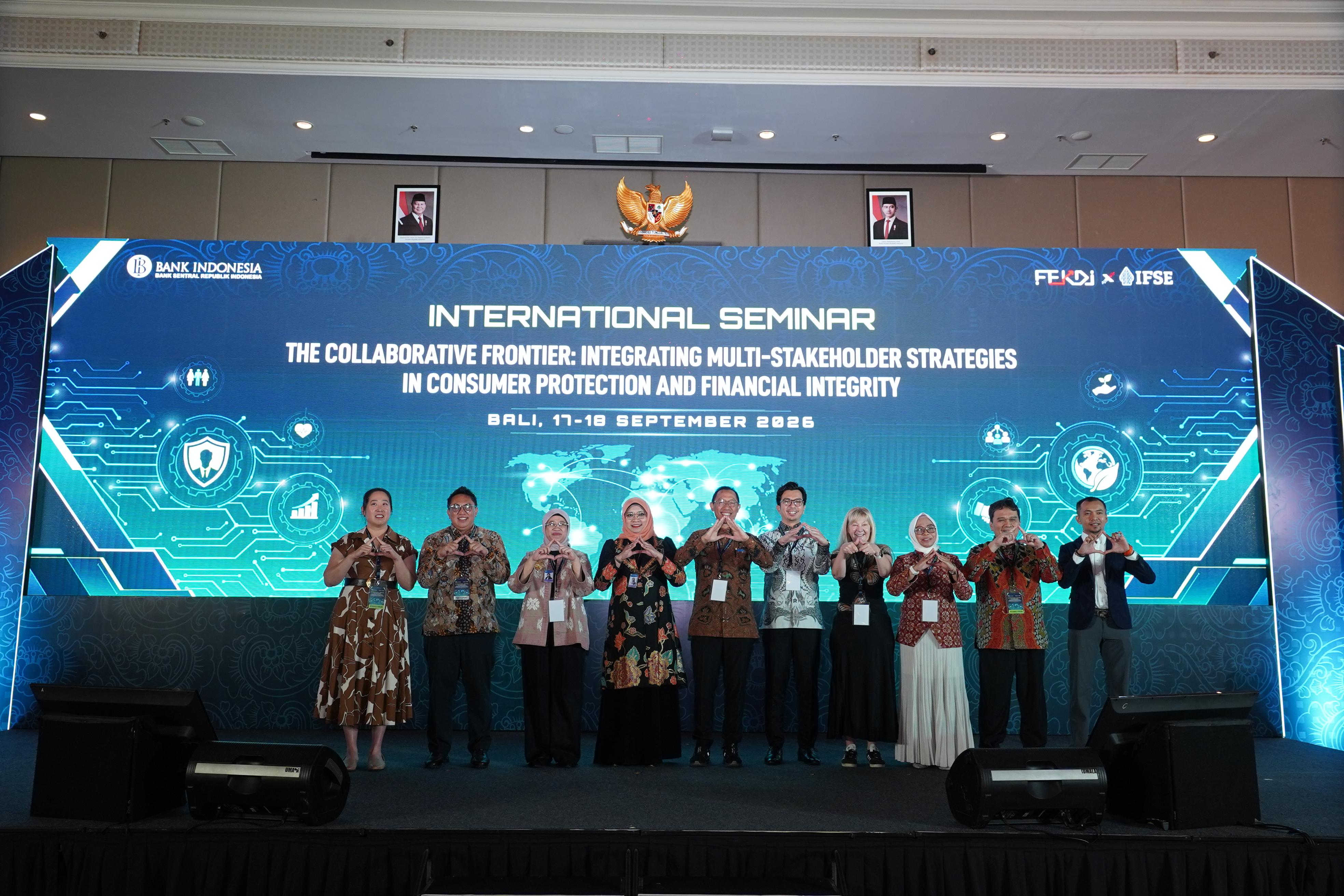
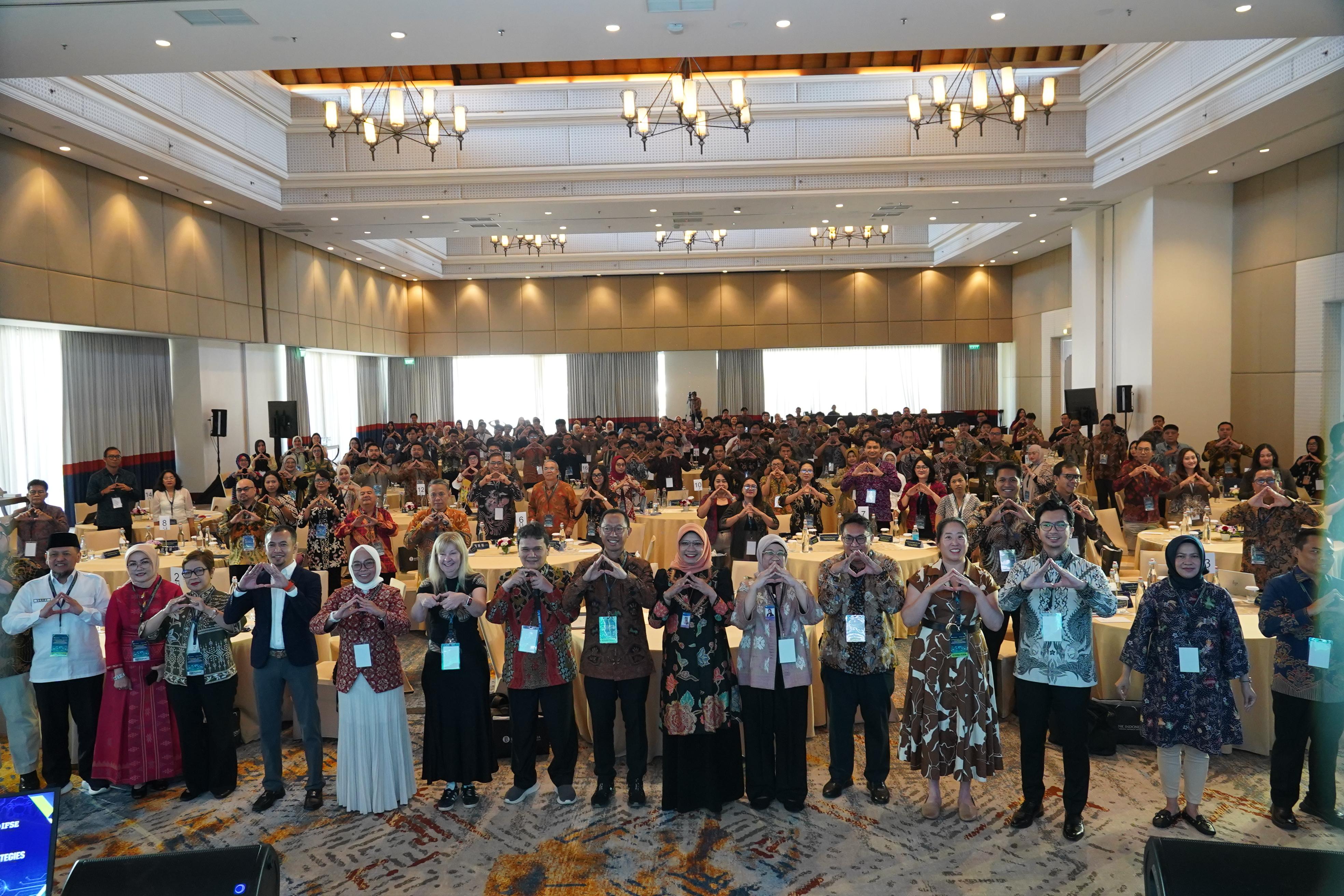
Public trust is a key foundation for the advancement of the digital economy. As payment systems become faster, more interconnected and increasingly cross-border, strengthening governance and consumer protection is becoming more important. Cross-sector and cross-border collaboration must also continue to be strengthened to ensure safe, inclusive and sustainable innovation. That was stated by the Deputy Governor of Bank Indonesia, Filianingsih Hendarta, during her opening remarks at an international seminar entitled “The Collaborative Frontier: Integrating Multi-Stakeholder Strategies in Consumer Protection and Financial Integrity" held in Bali on 17-18th September 2026. Participants included the World Bank, OECD, ADB, UNODC, CGAP, INTERPOL[1], Reserve Bank of India, Bank Negara Malaysia and Banco Central do Brasil, as well as various international organisations, central banks, regulators, law enforcement agencies, academics and industry representatives from various countries.
Consumer protection plays an important role in maintaining public trust amid increasing risks of digital crime. The impact of digital crime extends beyond consumer losses to affect digital adoption, financial inclusion and financial system stability. Deputy Governor Filianingsih, therefore, emphasised that consumer protection must be embedded within the architecture of digital transformation, accompanied by stronger, integrated, real-time and risk-based synergy and collaboration among stakeholders. Furthermore, such collaboration must be supported by clear responsibilities, trusted information exchange and coordinated cross-border responses. “Technology can enable trust to grow, but technology alone cannot create it. Governance creates it," Deputy Governor Filianingsih emphasised.
Digital transactions in Indonesia are expanding rapidly, yet this growth must be accompanied by enhanced consumer capacity to understand and manage risk. In the first six months of 2026, QRIS transactions totalled 12.55 billion, twice the volume recorded in the first half of 2025, with a value of approximately Rp600.7 trillion. QRIS is used by more than 66 million users and nearly 45 million merchants, most of which are MSMEs. Meanwhile, the National Survey on Financial Literacy and Inclusion in 2026 recorded a financial literacy index of 69.57%, which is still below the financial inclusion index of 93.61%. This gap indicates that expanding financial access must be accompanied by stronger consumer understanding, effective safeguards, as well as accessible complaint handling and redress mechanisms.
Bank Indonesia continues to strenghten consumer protection as part of the Indonesia Payment Systems Blueprint 2030. Through initiatives covering Infrastructure, Industry, Innovation, Internationalisation and the Digital Rupiah (4I-RD), Bank Indonesia ensures that consumer protection, transaction integrity, digital literacy and risk management form an integral part of payment system development. These efforts are supported by Bank Indonesia Regulation Number 6 of 2026 concerning Bank Indonesia Consumer Protection, as well as collaboration through the Indonesia Anti-Scam Centre (IASC) to accelerate the detection and reporting of digital crime and recovery of the victims' funds. Globally, Bank Indonesia also actively participates in various international forums, including the OECD Working Party on Financial Consumer Protection, Education and Inclusion, OECD/INFE and FinCoNet, to help shape global standards that can be implemented in accordance with diverse consumer, institutional and market characteristics.
The seminar discussed various strategies to strengthen consumer protection amid increasingly complex digital financial risks. Discussions focused on strengthening regulatory harmonisation and international cooperation to address cross-border financial crime, utilising artificial intelligence (AI) and blockchain technology to strengthen early detection, improving digital financial literacy through the role of communities and civil society, as well as strengthening ethics, integrity and industry responsibility. The diverse perspectives presented by speakers are expected to strengthen more integrated efforts to prevent, detect and address risk, thereby providing greater protection for the public when using digital financial services.
Bank Indonesia will continue strengthening cross-sector and cross-border collaboration to ensure that advances in innovation and connectivity progress in line with consumer protection and financial system integrity. These efforts aim to realise a trusted, inclusive and resilient digital financial future, while contributing optimally to sustainable economic growth.
Jakarta, 15th September 2026
Communication Department
Ramdan Denny Prakoso
Executive Director
[1] OECD (Organisation for Economic Co-operation and Development), ADB (Asian Development Bank), UNODC (United Nations Office on Drugs and Crime), CGAP (Consultative Group to Assist the Poor), and INTERPOL (International Criminal Police Organisation).